Can Foreigners Own Property in UAE
 October 20, 2025
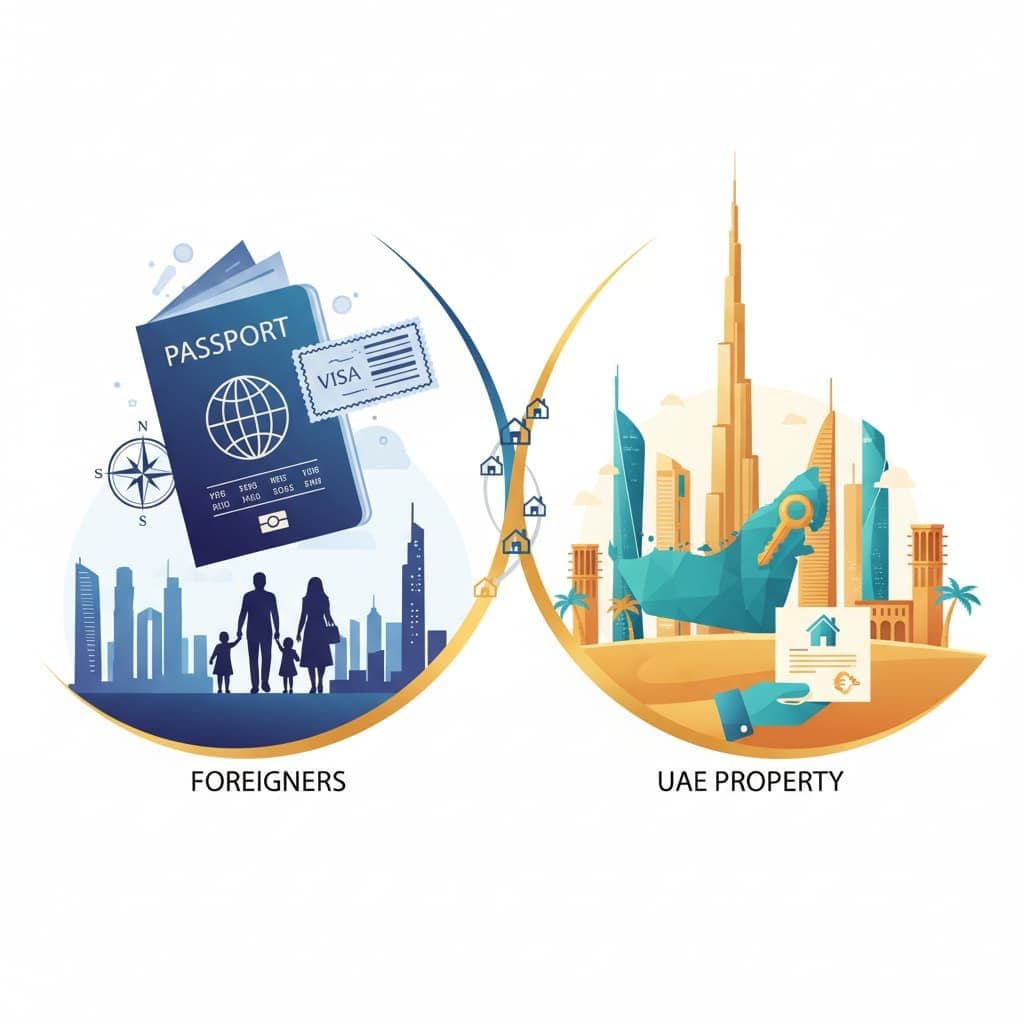
The question “can foreigners own property in UAE” is one that thousands of investors ask before entering the country’s thriving real estate market. The UAE’s property sector has become one of the most dynamic in the world, offering luxury developments, strong rental yields, and a high standard of living. Over the years, regulations have evolved to allow international buyers to legally purchase, lease, and invest in properties across various emirates, making the UAE an ideal investment destination.
Understanding Property Ownership Structures in the UAE
Before exploring can foreigners own property in UAE, it’s essential to understand the different ownership models available. The UAE distinguishes between freehold and leasehold ownership, each offering different rights, privileges, and durations.
Freehold Ownership
Freehold ownership means complete ownership of the property and the land it sits on. This structure was first introduced in Dubai in 2002, allowing non-UAE nationals to purchase properties in designated areas. Freehold properties can be sold, leased, or inherited without restrictions, making them the most desirable option for international buyers.
For instance, can foreigners own property in Dubai on a freehold basis? Yes, foreigners can fully own villas, apartments, and townhouses in specific freehold zones such as Dubai Marina, Palm Jumeirah, and Downtown Dubai.
Leasehold Ownership
Leasehold ownership allows foreigners to lease a property for a fixed period, typically between 30 and 99 years, without owning the land itself. This model is often more affordable and flexible for buyers who prefer short- to mid-term investment options.
Understanding leasehold agreements is vital before deciding can foreigners own property in UAE under such terms. While leasehold properties are still secure, they come with conditions related to renewal, maintenance, and subleasing.
Commonhold Ownership
A third structure, commonhold ownership, applies to multi-unit developments such as residential towers or gated communities. Buyers own their individual units but share common facilities like gyms, pools, and lobbies. A management company is usually responsible for maintenance and community services, ensuring a cohesive living environment.
Foreign Ownership Rules by Emirate
When asking can foreigners own property in UAE, it’s important to note that regulations vary by emirate. While Dubai and Abu Dhabi are the most open to foreign investment, other emirates have their unique frameworks and designated areas.
Dubai
So, can expats own property in Dubai? Absolutely. Dubai pioneered freehold ownership for non-citizens in 2002, revolutionizing real estate in the UAE. Today, foreigners can buy in numerous freehold areas including Downtown Dubai, Business Bay, Palm Jumeirah, Dubai Hills Estate, and Jumeirah Village Circle.
Investors are attracted by the transparency of Dubai’s property laws, the advanced infrastructure, and access to Ready Properties in UAEthat can generate rental income immediately.
Abu Dhabi
Abu Dhabi initially limited property ownership to UAE nationals, but laws have since evolved. Non-UAE nationals can now own property in designated investment zones on a freehold or 99-year lease basis. These areas include Al Reef, Saadiyat Island, Al Raha Beach, and Yas Island.
The question can foreigners own property in UAE’s capital?, yes, but only within these investment zones. Ownership rights are legally protected, and registration is done through the Abu Dhabi Municipality.
Sharjah
Sharjah maintains stricter regulations. Until recently, non-GCC nationals could only lease property for up to 100 years rather than own it outright. However, new projects now allow foreign ownership under long-term leases, especially in designated developments like Aljada and Tilal City.
Therefore, can foreigners own property in Sharjah emirate? They can, but with limitations focused on leasehold and specific zones.
Ras Al Khaimah
Ras Al Khaimah (RAK) is emerging as a hotspot for international investors due to its affordability and natural beauty. The emirate offers freehold ownership to foreigners in several areas, including Mina Al Arab and Al Marjan Island, both known for Beachfront & Waterfront Properties in Ras Al Khaimah.
RAK provides an attractive alternative for those seeking tranquil living with lower entry prices than Dubai or Abu Dhabi.
Ajman and Umm Al Quwain
Ajman was one of the first smaller emirates to open its property market to foreigners. Buyers can enjoy full freehold ownership in various developments such as Ajman Corniche Residences. Umm Al Quwain, though smaller, also offers select projects with foreign ownership rights.
The Buying Process: A Step-by-Step Guide for Foreigners
For anyone wondering can foreigners own property in UAE and how the process works, the steps are straightforward, transparent, and well-regulated.
Step 1: Choose the Property and Location
Foreigners should first identify which emirate and area allow property ownership. Decide whether you prefer Off-Plan Properties in UAE (still under construction) or ready-to-move-in units. Consulting experienced real estate agents in the UAE ensures you find a property that matches your goals and complies with legal frameworks.
Step 2: Verify Developer Credentials
Before signing anything, always check that the developer is approved by the Real Estate Regulatory Authority (RERA) in Dubai or the equivalent body in other emirates. This step protects buyers from fraudulent or unregistered developments.
Step 3: Sign a Sales Agreement
Once satisfied, both buyer and seller sign a Memorandum of Understanding (MoU) outlining the terms of the sale. A 10% deposit is commonly required at this stage to secure the property.
Step 4: Apply for NOC and Title Deed Transfer
The developer issues a No Objection Certificate (NOC) confirming all payments are settled and allowing transfer of ownership. After that, the title deed is registered at the relevant land department. For example, in Dubai, this is done through the Dubai Land Department (DLD).
Step 5: Payment and Completion
The remaining payment is made upon transfer of ownership. The buyer then receives the title deed, confirming legal ownership. This process ensures that can foreigners own property in UAE isn’t just a question, it’s a clear, achievable reality.
Financial and Legal Considerations
Before finalizing a purchase, international buyers must assess financial responsibilities, taxes, and ownership laws.
There are no annual property taxes in the UAE, but registration fees apply, typically around 4% of the property value in Dubai. Maintenance fees, community service charges, and insurance costs should also be factored in.
Mortgages are available for foreigners, but with certain conditions. Banks often require a minimum income and a down payment ranging from 20–25% for residents and 30–35% for non-residents. This makes it crucial to work with local advisors to navigate legal documentation and financing.
Additionally, foreign investors benefit from strong property protection laws and high rental yields compared to global averages, strengthening the UAE’s reputation as a secure investment hub for real estate in the UAE.
The Investor Visa Link: Property as a Path to Residency
One of the most attractive advantages for foreigners investing in property is eligibility for a UAE residence visa.
If you’ve been wondering can foreigners own property in UAE and also gain residency, the answer is yes. Buying property can qualify you for investor visas, depending on property value and ownership structure.
Typically, owning a property worth at least AED 1 million can make a foreigner eligible for a renewable 2- or 5-year visa. Owners of properties exceeding AED 2 million may qualify for longer-term visas under new regulations, offering even greater stability and benefits such as family sponsorship and local bank access.
This link between real estate and residency continues to attract investors seeking both financial and lifestyle returns.
FAQs
Do I need to be a resident to buy property in the UAE?
No, non-residents can purchase property in designated freehold areas. However, residents may find the process easier due to access to local financing options.
What is the difference between freehold and leasehold?
Freehold means complete ownership of both property and land, while leasehold grants rights to use the property for a fixed term (30-99 years). Most foreigners prefer freehold ownership for long-term security.
Where are the main freehold areas for foreigners?
In Dubai: Palm Jumeirah, Dubai Marina, Jumeirah Lakes Towers, Downtown Dubai, and Business Bay.
In Abu Dhabi: Saadiyat Island, Yas Island, and Al Reef.
Other emirates like Ras Al Khaimah also offer freehold options in projects such as Mina Al Arab.
Are there any restrictions on the type of property foreigners can buy?
Yes, foreigners can only purchase in government-designated freehold or leasehold areas. Agricultural or industrial lands are typically restricted to UAE nationals.
Can foreigners get a mortgage in the UAE?
Yes, but terms depend on residency status and bank policies. Non-residents can get up to 70-75% financing of the property’s value from select banks.